
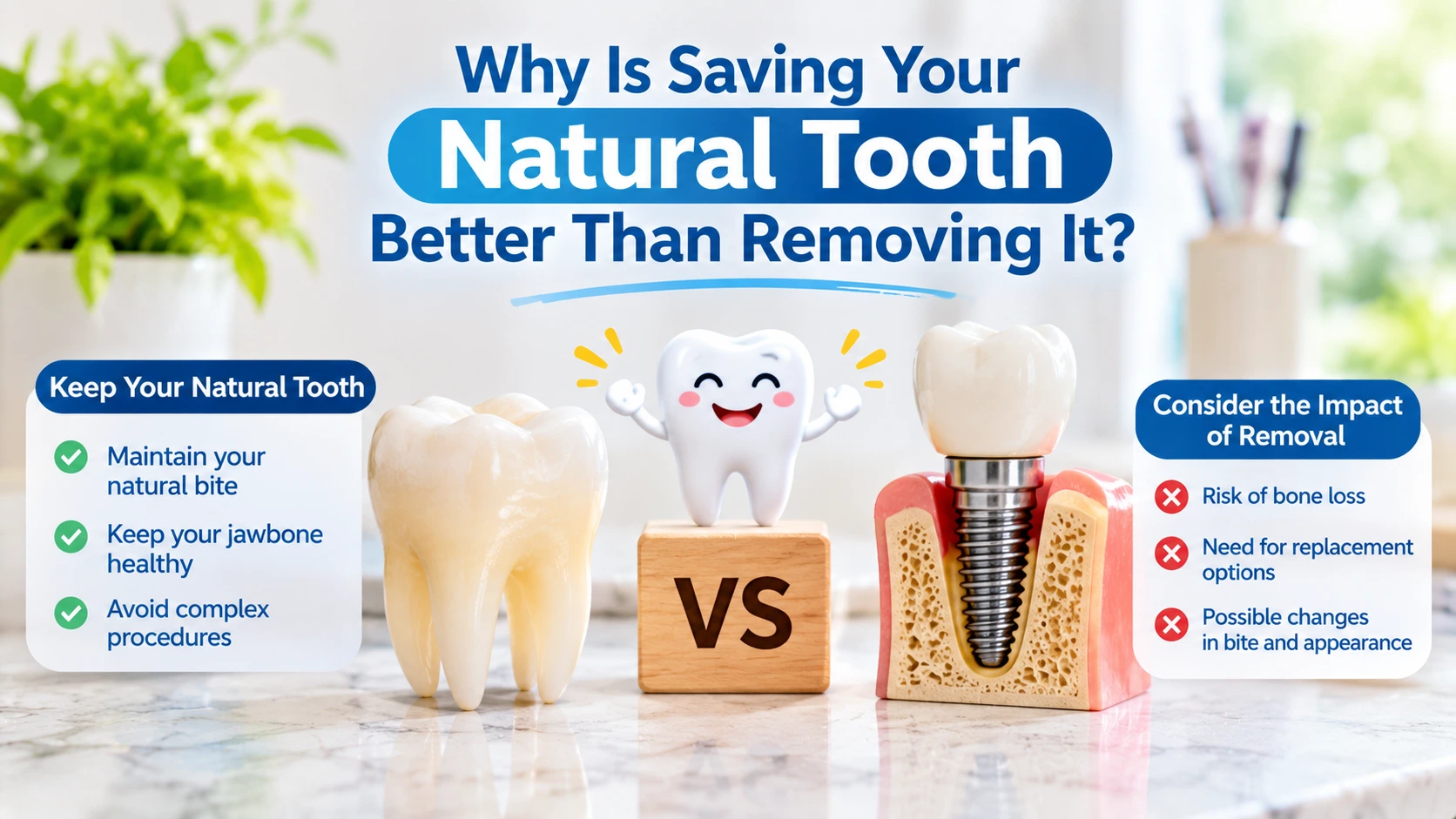
When a tooth hurts, breaks, or becomes infected, many people ask the same question: should I just have it pulled and be done with it? Extraction can look like the quicker, cheaper answer, especially when you are in pain. But in most cases, dentistry has a clear preference: keep your natural tooth whenever it can be saved. This guide explains why, what options exist for saving a damaged tooth, and how to decide with confidence. It is written with insights from Dr. Pratik Kotadia and the team at Kotadias Dental Care, who focus on tooth-preserving care.
What Patients Are Really Asking
People who search this question are usually in one of three situations. Some have been told a tooth needs a root canal and are afraid of the procedure. Others have been advised to extract a tooth and want a second opinion. And some are simply trying to compare costs and outcomes. In all three cases, the real concern is the same: what will keep my mouth healthy, comfortable, and functioning for the longest time at a reasonable cost? The honest answer is that your natural tooth is almost always the best long-term choice, provided it can be restored predictably.
Your Natural Tooth Is Hard to Replace
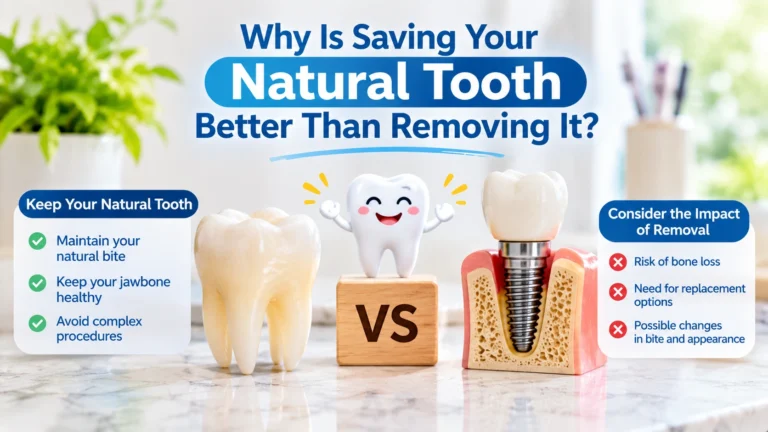
A natural tooth is far more than the visible crown. Its root anchors firmly in the jawbone, is surrounded by a ligament that acts as a shock absorber, and contains nerve endings that tell you how hard you are biting. No artificial replacement, however advanced, fully reproduces this system. Implants and bridges are excellent modern solutions, but they are replacements, not equivalents. Keeping the original tooth preserves a level of natural sensation and function that is difficult to match.
Key Benefits of Saving a Natural Tooth
1. It Protects Your Jawbone
Bone stays healthy when it is stimulated by chewing forces transmitted through tooth roots. When a tooth is removed, the bone in that area slowly begins to shrink. Over months and years, this can change the shape of your jaw, affect the fit of future restorations, and even alter the look of your face. Saving the tooth keeps that stimulation going.
2. It Keeps Neighbouring Teeth in Place
Teeth support one another. A gap left by an extracted tooth allows adjacent teeth to drift, and the opposing tooth may over-erupt into the empty space. These shifts can create food traps, bite problems, and a higher risk of decay and gum disease. Preserving the tooth avoids this chain reaction.
3. It Maintains Natural Chewing and Speech
Missing teeth change how you bite, chew, and sometimes even pronounce certain sounds. A natural tooth keeps your bite balanced and your chewing efficient, which supports digestion and everyday comfort.
4. It Often Costs Less Over Time
Extraction itself may seem inexpensive, but replacing the tooth with an implant, bridge, or denture adds cost, appointments, and maintenance. Saving the tooth with a root canal and crown, or a filling, is frequently the more economical route over the long run, because it avoids the follow-on expense of replacement.
5. It Preserves Your Natural Smile
Nothing blends with your smile quite like your own tooth. Modern restorations can rebuild strength and appearance so well that the treated tooth is nearly indistinguishable from its neighbours.
6. It Means Less Invasive Treatment
Saving a tooth typically involves a shorter healing period than a surgical extraction followed by implant placement. For many patients, that means fewer disruptions to work and daily routine.
Ways Dentists Save Damaged Teeth
Today’s dentistry offers several options to rescue a tooth that once might have been lost:
- Fillings and bonding: repair small to moderate cavities and chips.
- Inlays and onlays: rebuild larger damaged areas while keeping healthy tooth structure.
- Crowns: protect and strengthen heavily damaged or weakened teeth.
- Root canal therapy: removes infected pulp and seals the tooth so it can remain in function.
- Gum and periodontal treatment: stabilises teeth loosened by gum disease.
Root Canal Treatment: The Most Misunderstood Tooth-Saving Option
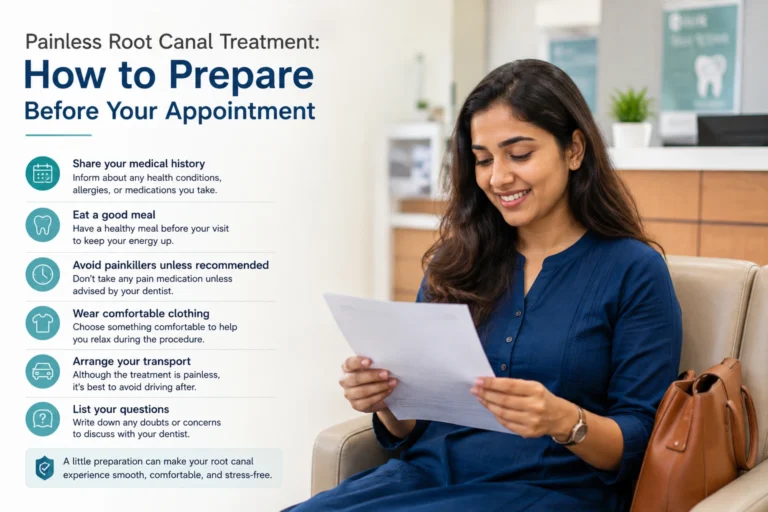
Root canal treatment has an unfair reputation for being painful. In reality, the pain people associate with it comes from the infection, not the procedure. With effective local anaesthesia and modern instruments, the treatment itself is comparable to getting a deep filling. Choosing an experienced Root Canal Specialist in Pune ensures the canals are cleaned and sealed accurately, which greatly improves long-term success. After the procedure, a crown is usually placed to restore strength so the tooth can last for many years with normal care.
When Is Extraction Truly Necessary?
Saving a tooth is the goal, but it is not always possible. Extraction may be the right choice when a tooth is fractured below the gum line, when too little healthy structure remains to support a restoration, when gum disease has destroyed too much supporting bone, or when a tooth is impacted or causing crowding that cannot be corrected otherwise. A responsible dentist will explain exactly why a tooth cannot be saved and will not recommend extraction casually. If you have been advised to remove a tooth, getting a second opinion is perfectly reasonable.
What Happens If You Remove a Tooth and Do Not Replace It?
Leaving a gap untreated can lead to bone loss, shifting teeth, bite imbalance, and difficulty cleaning surrounding areas. Even when extraction is unavoidable, replacing the tooth promptly with an implant, bridge, or denture helps protect the rest of your mouth. Planning ahead is always better than reacting later.
Do Not Wait: Early Care Saves More Teeth
The biggest factor in whether a tooth can be saved is timing. A small cavity is a simple filling. A neglected one can become an infection that needs a root canal, and a long-neglected infection may leave nothing worth saving. Persistent toothache, swelling, sensitivity to temperature, or pain while chewing should never be ignored. Visiting a reliable Dentist In Bibwewadi at the first sign of trouble gives you the widest range of treatment options and the highest chance of keeping your own tooth.
How to Choose the Right Dentist for Tooth-Saving Care
Look for a dentist who explains your diagnosis clearly, shows you your X-rays, discusses all options including their pros and cons, and does not rush you towards extraction. Patients looking for the Best Dentist In Bibwewadi often value honesty, gentle technique, and a conservative philosophy above all else, since those qualities lead to better long-term outcomes.
A Tooth-Preserving Approach at Kotadias Dental Care
Dr. Pratik Kotadia believes extraction should be the last resort, not the first suggestion. At Kotadias Dental Care, every patient receives a careful examination, digital imaging where needed, and a transparent explanation of what can and cannot be saved. Treatment plans begin with the most conservative effective option, and costs are discussed upfront. Many local families consider it the Best dental clinic in Bibwewadi for comfortable, honest, and tooth-focused care.
How to Keep a Saved Tooth Healthy for Life
Saving a tooth is only the first step; protecting it is what makes the result last. Brush twice a day with fluoride toothpaste, clean between your teeth daily, and limit sugary snacks and acidic drinks that weaken enamel. If you grind your teeth at night, a custom night guard can prevent fractures in restored teeth. Most importantly, attend check-ups and cleanings every six months so small problems are caught before they grow. Treated teeth, especially those with crowns, need the same daily care as any other tooth, and with that care they can serve you comfortably for many years. Think of tooth-saving treatment as an investment in your long-term health, one that pays back every time you eat, speak, and smile without a second thought.
Frequently Asked Questions
Q1. Is it better to remove a painful tooth or treat it?
In most cases, treating the tooth is better, because it preserves bone, bite, and function. Extraction is considered only when the tooth cannot be restored predictably.
Q2. Does a root canal tooth last as long as a natural tooth?
With a well-fitted crown and good oral hygiene, a root canal treated tooth can function for many years, often for life.
Q3. Are dental implants better than saving my tooth?
Implants are an excellent option when a tooth cannot be saved, but they are not generally considered better than a healthy, restorable natural tooth.
Q4. Will saving my tooth hurt?
Treatment is performed under local anaesthesia, so you should feel little to no pain during the procedure. Mild soreness afterwards is common and manageable.
Q5. How do I know if my tooth can be saved?
Only a clinical examination and X-rays can tell for sure, so the sooner you are assessed, the better your chances.
Take the First Step: Book a Consultation Today
Before you agree to remove a tooth, find out whether it can be saved. A consultation costs far less than the long-term consequences of losing a tooth unnecessarily. Book an appointment with Dr. Pratik Kotadia at Kotadias Dental Care today and get clear, honest advice about your options.
Phone Number:- 8329481897