
Ask anyone about root canal treatment, and you’ll likely hear a wince before a word. For decades, the procedure carried a reputation as one of the most feared dental treatments, associated with pain, long chair time, and multiple visits. But that reputation belongs to the past. Root canal treatment today is faster, more precise, and remarkably comfortable, thanks to a wave of technological advances that have transformed endodontics.
In this guide, we’ll walk through exactly how modern tools and techniques have changed root canal treatment for the better, with expert insight from Dr. Pratik Kotadia at Kotadias Dental Care. If you’ve been putting off a root canal out of fear or bad past experiences, this article will help you understand why today’s procedure is nothing like the one your parents may have gone through.
Understanding Why People Fear Root Canals
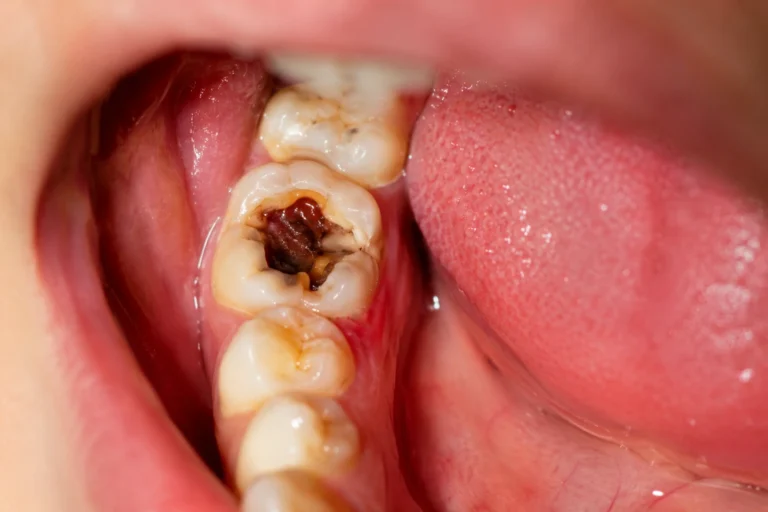
The fear surrounding root canal treatment usually stems from outdated stories, old dental technology, and a general misunderstanding of what the procedure actually involves. In reality, a root canal removes infected or inflamed tissue from inside the tooth, relieving pain rather than causing it. Most of the discomfort people associate with root canals actually comes from the untreated infection itself, not the treatment.
Modern dentistry has addressed almost every pain point of the traditional procedure — literally. From diagnosis to recovery, technology has reshaped each step to prioritize patient comfort, precision, and speed.
1. Digital X-Rays and 3D Imaging for Accurate Diagnosis
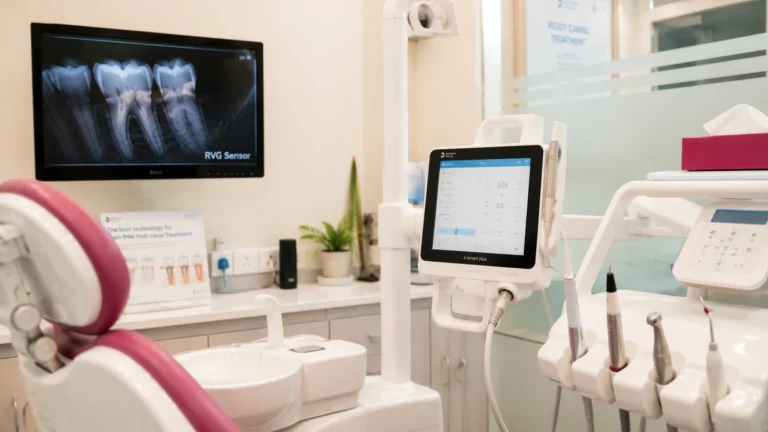
One of the biggest advancements in root canal treatment is the shift from traditional film X-rays to digital imaging and Cone Beam Computed Tomography (CBCT). These tools give dentists a detailed, three-dimensional view of the tooth’s internal structure, including hidden canals that older imaging methods often missed.
This means your dentist can identify the exact shape, depth, and curvature of the root canal system before even starting treatment. Fewer surprises during the procedure translate directly into a smoother, faster, and less painful experience for the patient.
2. Rotary Endodontic Instruments
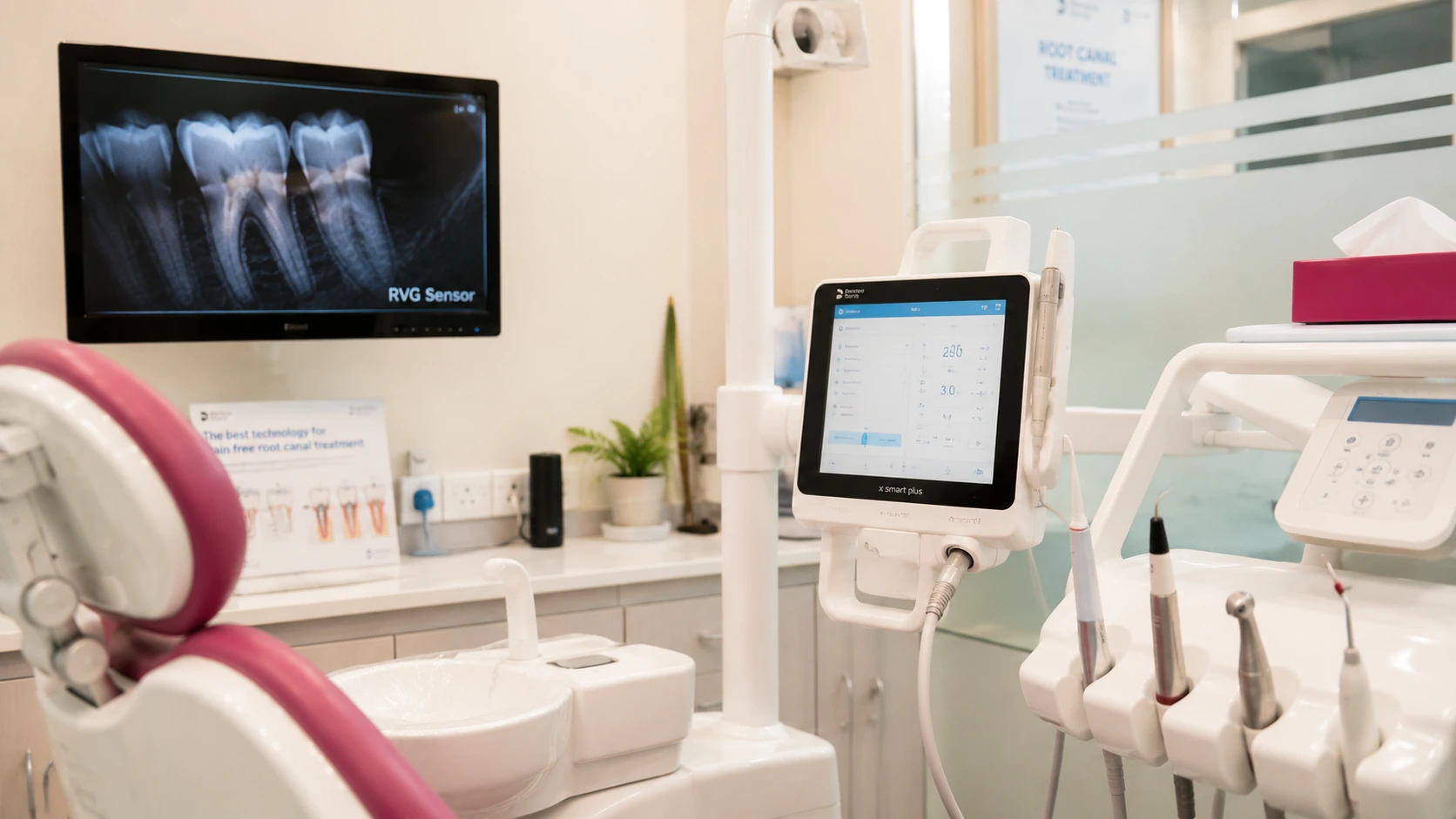
Traditional root canal treatment relied on hand-operated files to clean out the infected canal, a process that was slow and could sometimes require multiple appointments. Today, rotary endodontic instruments — powered by small, motorized handpieces — clean and shape the canal far more efficiently.
These instruments move with consistent, controlled precision, which reduces the risk of procedural errors and shortens treatment time significantly. Many patients now complete their root canal in a single visit instead of two or three.
3. Apex Locators for Precise Measurement
Determining the exact length of the root canal used to depend heavily on X-rays and a dentist’s experience alone. Now, electronic apex locators measure canal length electronically and in real time, ensuring the treatment reaches precisely to the root tip — no more, no less.
This precision matters because overfilling or underfilling a canal can lead to complications or treatment failure. With apex locators, dentists achieve accuracy that simply wasn’t possible with older methods, reducing the chances of repeat procedures.
4. Advanced Local Anesthesia Techniques
Fear of pain is often the biggest barrier to seeking root canal treatment, but modern anesthesia has largely eliminated that concern. Computer-controlled anesthesia delivery systems now administer numbing medication at a slow, steady, and consistent rate, minimizing the sting associated with traditional injections.
Combined with topical numbing gels applied before the injection, most patients report feeling little more than mild pressure throughout the procedure. If you’re nervous about pain, choosing a Root Canal Specialist in Pune who uses these advanced techniques can make a significant difference in your overall comfort.
5. Dental Operating Microscopes
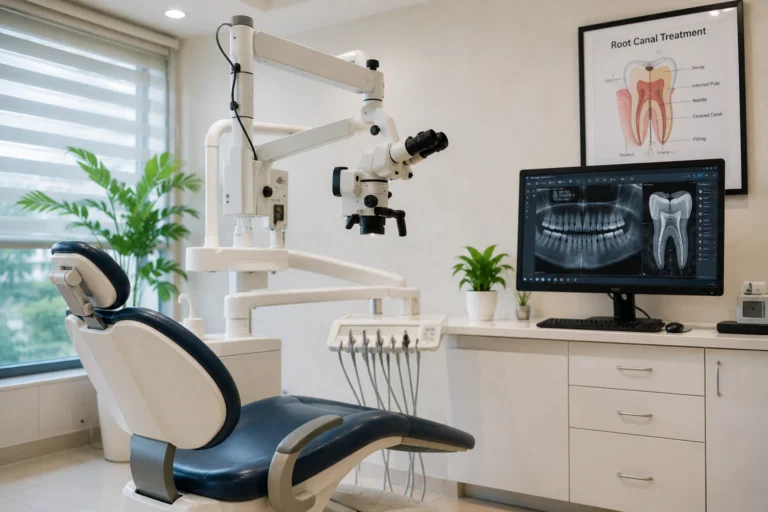
Magnification has become a game-changer in endodontics. Dental operating microscopes allow dentists to see inside the tooth with extraordinary clarity, spotting tiny canals, cracks, or infected tissue that would be invisible to the naked eye.
This level of visual precision means treatment is more thorough and accurate, reducing the likelihood of leftover infection and the need for retreatment down the line.
6. Laser-Assisted Root Canal Therapy
Lasers are increasingly used to disinfect the root canal system more effectively than rinsing solutions alone. Laser technology can reach into microscopic crevices within the canal, eliminating bacteria that traditional methods might miss, all while being gentler on surrounding tissue.
Patients undergoing laser-assisted treatment often experience less post-procedure inflammation and faster healing, making the entire recovery process noticeably smoother.
7. Same-Day Crowns with CAD/CAM Technology
After a root canal, the tooth typically needs a crown for protection. In the past, this meant a temporary crown and a separate visit weeks later for the permanent one. With CAD/CAM (Computer-Aided Design and Computer-Aided Manufacturing) technology, many clinics can now design and mill a custom crown on the same day.
This eliminates the inconvenience of temporary restorations and additional appointments, letting patients leave with a fully restored tooth in a single visit.
8. Sedation Options for Anxious Patients
For patients with dental anxiety, modern sedation dentistry offers a range of options — from mild oral sedatives to nitrous oxide (laughing gas) — that help patients relax throughout the procedure without needing general anesthesia. This has made root canal treatment accessible even to those who previously avoided the dentist altogether out of fear.
9. Improved Post-Treatment Care and Monitoring
Recovery has also benefited from technology. Digital follow-up systems, detailed post-op instructions, and better biocompatible filling materials all contribute to fewer complications and faster healing. Patients today experience significantly less swelling and discomfort in the days following treatment compared to a decade ago.
Why Choosing the Right Clinic Matters
Technology alone doesn’t guarantee comfort — it’s the combination of advanced tools and skilled expertise that makes the real difference. Working with an experienced Best Endodontist in Pune ensures that these technologies are used correctly and effectively, tailored to your specific case.
If you’ve been searching for a Dentist near me who prioritizes both comfort and precision, it’s worth looking into clinics that have invested in modern endodontic equipment rather than relying on outdated methods. The right technology, paired with the right hands, is what truly transforms the root canal experience.
At Kotadias Dental Care, patients benefit from a combination of digital diagnostics, rotary instrumentation, and gentle anesthesia protocols designed to make treatment as stress-free as possible. Whether it’s your first root canal or you’ve had a difficult experience in the past, modern technology ensures this visit will be different.
Frequently Asked Questions
Q1: Does a root canal really hurt with modern technology?
No, most patients report feeling little to no pain during the procedure itself, thanks to advanced anesthesia and precision instruments. Mild soreness for a day or two afterward is normal and manageable with over-the-counter pain relief.
Q2: How long does a modern root canal treatment take?
With rotary instruments and digital imaging, many root canals are now completed in a single visit lasting 60 to 90 minutes, compared to multiple visits required in the past.
Q3: Is laser-assisted root canal treatment better than traditional methods?
Laser-assisted treatment offers deeper disinfection and can reduce inflammation and recovery time, making it a valuable addition to modern endodontic care, though traditional methods combined with modern tools remain highly effective too.
Q4: Can I get a crown on the same day as my root canal?
In many cases, yes. Clinics equipped with CAD/CAM technology can design and place a permanent crown on the same day, eliminating the need for a temporary restoration and a follow-up visit.
Q5: How do I find a reliable specialist for root canal treatment?
Look for a clinic with modern diagnostic tools, experienced endodontic specialists, and positive patient outcomes. Searching for a Best Dental Clinic in Bibwewadi with updated technology and transparent treatment plans is a good starting point.
Book Your Comfortable Root Canal Treatment Today
Root canal treatment no longer deserves its old reputation. With digital imaging, rotary instruments, laser disinfection, and advanced anesthesia, the entire experience has become faster, safer, and remarkably comfortable for patients of all ages.
If you’re dealing with tooth pain and searching for a trusted Dentist In Bibwewadi, don’t let outdated fears keep you from getting the care you need. Our team at Dental Clinic in Bibwewadi combines the latest endodontic technology with a gentle, patient-first approach to ensure your treatment is as smooth as possible.
Looking for Best Endodontist doctors Near Me in Pune? Schedule your consultation today and experience how modern dentistry has transformed root canal treatment into a stress-free process.