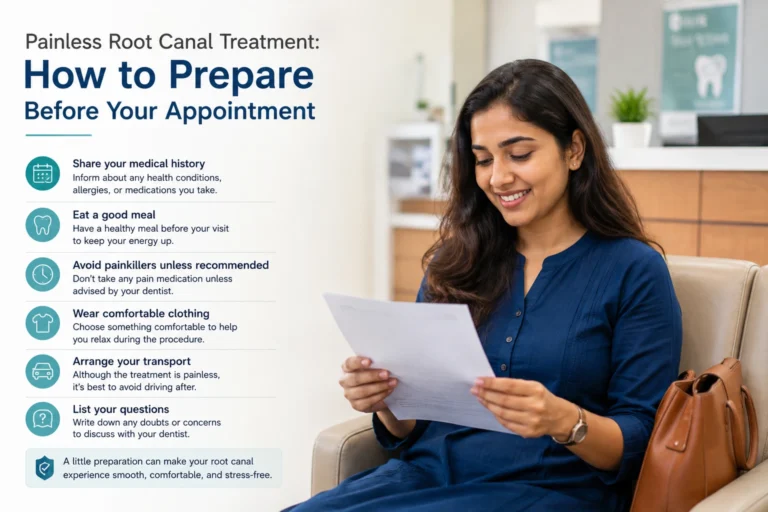


Hearing the words “you need a root canal” can bring on a wave of anxiety, even for people who otherwise feel comfortable at the dentist’s office. Much of that fear comes from not knowing what to expect. The good news is that a root canal is one of the most routine and effective procedures in modern dentistry, and it’s designed to save your natural tooth rather than remove it.
The best way to walk into your appointment feeling calm and prepared is to ask the right questions beforehand. A good specialist won’t just perform the procedure; they will take the time to explain what’s happening, why it’s needed, and what your options are. In this guide, we’ve put together the most important questions you should ask before you sit in the chair, along with everything you need to know about finding the right care for your smile.
Why Asking the Right Questions Matters
Root canal treatment involves removing infected or inflamed pulp from inside your tooth, cleaning the canal, and sealing it to prevent further infection. While the procedure itself is fairly standardized, every patient’s case is different. The number of visits, the complexity of the root structure, the cost, and the aftercare instructions can all vary.
Asking thoughtful questions helps you:
- Understand exactly why the treatment is necessary
- Know what to expect during and after the procedure
- Avoid unexpected costs or complications
- Choose a specialist you genuinely trust
If you’re searching for a reliable Root Canal Treatment in Pune, taking a few minutes to prepare your questions can make the entire experience far less stressful.
Key Questions to Ask Before Your Root Canal
1. Why do I need a root canal, and what caused the problem?
Before agreeing to any treatment, ask your dentist to explain the diagnosis in simple terms. Common causes include deep decay, a cracked tooth, repeated dental procedures, or trauma to the tooth. Understanding the root cause helps you take better care of your other teeth going forward.
2. How many appointments will the treatment require?
Some root canals are completed in a single visit, while others, especially in molars with multiple canals, may need two or more sittings. Ask about the expected timeline so you can plan your schedule accordingly.
3. What are the alternatives to a root canal?
In some cases, extraction might be presented as an alternative. A good specialist will walk you through the pros and cons of saving the natural tooth versus removing it, including the long-term impact on your bite and jawbone health.
4. Will the procedure be painful?
This is usually the biggest concern for patients. Modern root canal treatments are performed under local anesthesia and are generally no more uncomfortable than getting a filling. Ask about the anesthesia used and what pain management options are available for after the procedure.
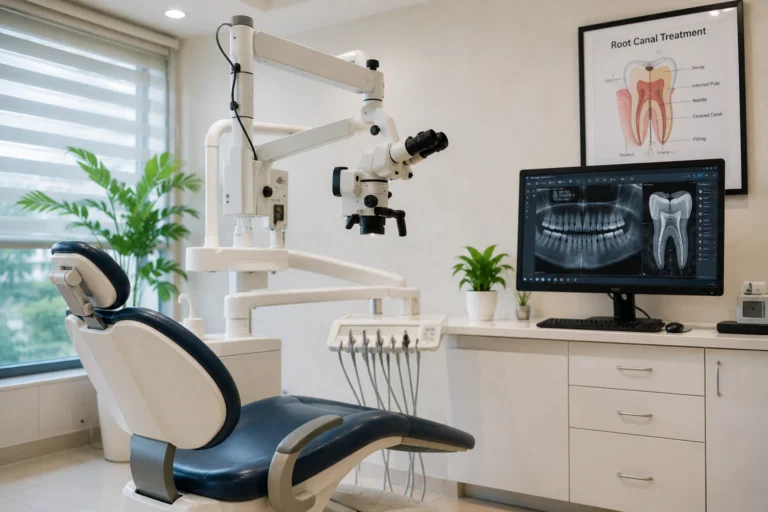
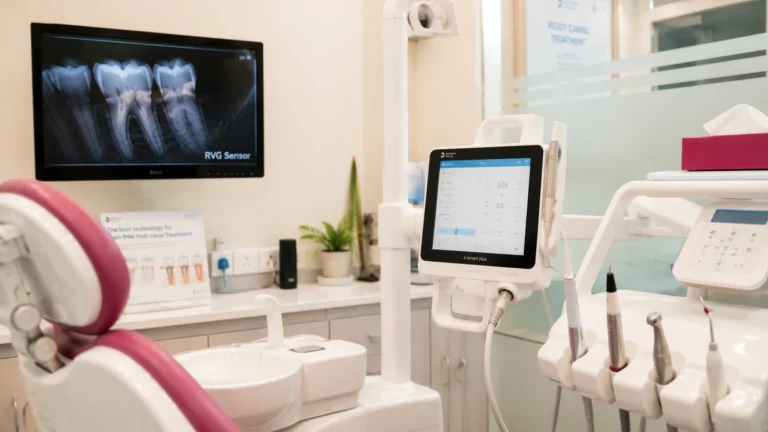
5. What type of technology and equipment will be used?
Advanced tools like digital X-rays, rotary endodontic instruments, and apex locators improve accuracy and reduce treatment time. It’s worth asking whether the clinic uses updated technology, as this often reflects the quality of care you’ll receive.
6. What is the experience level of the specialist?
Not all root canals are equally complex. For tricky cases, such as curved canals or retreatment of a previously failed root canal, it helps to know your specialist has handled similar situations before. Don’t hesitate to ask about their training and years of practice.
7. Will I need a crown after the root canal?
Many teeth, particularly molars, require a crown after a root canal to restore strength and prevent fracture. Ask whether a crown is necessary in your case, how soon it should be placed, and what material options are available.
8. What does the treatment cost, and does insurance cover it?
Costs can vary based on the tooth involved and the complexity of the case. A transparent specialist will provide a clear cost breakdown upfront, including any additional charges for the crown or follow-up visits.
9. What should I expect in terms of recovery?
Mild sensitivity or discomfort for a few days is normal. Ask what symptoms are expected versus what would be a red flag requiring an urgent call back to the clinic.
10. How can I prevent future dental problems?
Once your treatment is complete, ask for personalized advice on oral hygiene, diet, and regular check-ups to protect your other teeth and avoid needing further procedures.
What Makes a Root Canal Specialist Trustworthy
When you’re evaluating a Root Canal Specialist in Pune, look beyond just the price of treatment. A trustworthy specialist will:
- Take time to answer your questions without rushing you
- Use proper diagnostic tools like X-rays before recommending treatment
- Explain your options clearly, including risks and benefits
- Maintain a clean, well-equipped clinic
- Have positive reviews and a track record of successful treatments
Patients in and around the area often search for a reliable Dentist In Bibwewadi who can combine clinical expertise with genuine patient care. Finding a specialist who checks all these boxes makes a real difference in both your comfort and your treatment outcome.
Meet Your Root Canal Specialist
At the heart of a stress-free root canal experience is a specialist who listens, explains, and treats every case with precision. Dr. Pratik Kotadia is known for taking a patient-first approach, making sure every question is answered clearly before any procedure begins. With a strong focus on painless, technology-driven dentistry, patients consistently describe the experience as far more comfortable than they expected.
If you’ve been putting off treatment because of fear or uncertainty, a conversation with the right specialist can change that completely. This is exactly the kind of personalized care you’ll find at Kotadias Dental Care, where modern equipment meets a genuinely caring approach to dentistry.
Why Choose a Local, Trusted Dental Clinic
Choosing a nearby clinic isn’t just about convenience, it also means easier follow-ups, faster response in case of discomfort, and a team that understands your ongoing dental history. Many residents specifically look for the Best Dentist In Bibwewadi because they want consistent, long-term care rather than a one-time visit.
For anyone comparing options, the Best dental clinic in Bibwewadi will typically stand out through its hygiene standards, use of updated technology, transparent pricing, and how comfortable patients feel throughout their visit. Don’t just choose the first clinic you find, take the time to read reviews, ask questions, and if possible, visit the clinic before committing to treatment.
If you’re specifically looking for the Best Root Canal Treatment in Bibwewadi, prioritize a clinic that offers digital diagnostics, a specialist with hands-on endodontic experience, and clear communication about every step of your treatment plan.
Frequently Asked Questions (FAQs)
Q1. Is a root canal treatment painful?
No, modern root canal treatments are performed under local anesthesia, so the procedure itself is virtually painless. Mild soreness for a day or two afterward is normal and manageable with over-the-counter pain relief.
Q2. How long does a root canal procedure take?
Depending on the complexity of the tooth, a root canal can take anywhere from 60 to 90 minutes per session, and may require one to three visits.
Q3. Can a tooth need a root canal again after treatment?
In rare cases, if the infection isn’t fully resolved or the seal is compromised, retreatment may be needed. Regular follow-ups help catch this early.
Q4. Is it better to get a root canal or extraction?
Whenever possible, saving your natural tooth through a root canal is preferred, as it maintains your natural bite and prevents shifting of surrounding teeth.
Q5. How soon can I eat after a root canal?
It’s best to wait until the numbness wears off completely before eating, usually a couple of hours, and to avoid chewing on the treated side until a permanent restoration or crown is placed.
Q6. How do I find a good root canal specialist near me?
Look for a specialist with strong reviews, visible use of modern technology, transparent pricing, and a willingness to answer all your questions clearly before you commit to treatment.
Final Thoughts and Next Steps
A root canal doesn’t have to be a source of anxiety. With the right specialist by your side and a clear understanding of what to expect, the process can be smooth, comfortable, and even reassuring. Asking these questions upfront ensures you’re making an informed decision about your dental health rather than simply following instructions blindly.
If you’re experiencing tooth pain, sensitivity, or have been told you need a root canal, don’t wait for the discomfort to worsen. Book a consultation today and get personalized answers to all your questions from a specialist who prioritizes your comfort and long-term oral health.
Ready to take the first step toward a pain-free smile? Call us today to schedule your consultation and experience gentle, expert root canal care you can trust.
Phone Number:- 8329481897