
A toothache rarely stays quiet for long. What often begins as mild sensitivity to hot or cold can quietly turn into a full-blown infection if it is ignored. Many patients delay treatment hoping the pain will fade on its own, but a tooth infection does not resolve itself — it only spreads. As Dr. Pratik Kotadia often explains to patients at Kotadias Dental Care, untreated dental infections can escalate from a minor annoyance into a medical emergency within days. In this blog, we break down exactly what happens at each stage of an untreated tooth infection, the warning signs to watch for, and why timely treatment can save your tooth — and possibly your health.
What Causes a Tooth Infection?
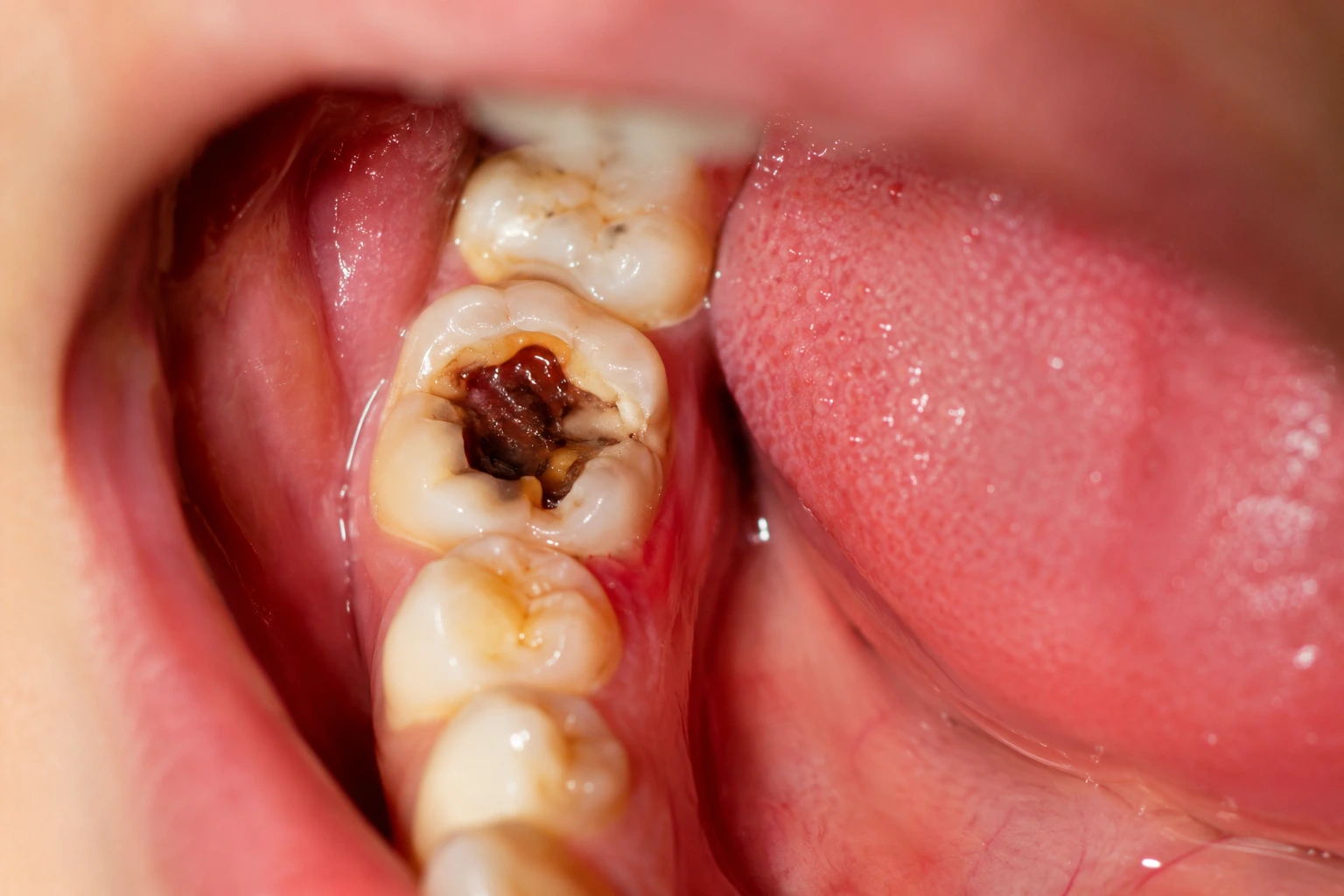
A tooth becomes infected when harmful bacteria reach the soft inner tissue called the pulp, which houses nerves and blood vessels. This usually happens due to:
- Deep, untreated cavities that reach the tooth’s nerve
- Cracked, chipped, or fractured teeth exposing the inner pulp
- Gum disease that creates pockets for bacteria to enter
- Previous dental work (fillings or crowns) that has failed or loosened
- Trauma or injury to a tooth, even without a visible crack
Once bacteria enter the pulp, the body’s immune response causes inflammation and pus formation, which is what we clinically recognize as a tooth infection or dental abscess.
Early Warning Signs You Shouldn’t Ignore
Catching an infection early makes treatment simpler and far less painful. Watch out for:
- Persistent or throbbing toothache
- Sensitivity to hot, cold, or sweet foods that lingers
- Swelling in the gums, face, or jaw
- A foul taste or bad breath that doesn’t go away
- A small pimple-like bump on the gum (fistula)
- Fever or general fatigue
If you notice even one of these symptoms lasting more than a day or two, it’s time to consult a dentist rather than wait it out.
What Happens If You Leave a Tooth Infection Untreated? (Stage by Stage)
Stage 1: Mild Sensitivity and Discomfort
At the earliest stage, bacteria have just reached the pulp. You may feel occasional sensitivity or a dull ache. Many people ignore this stage because the pain is manageable — but this is actually the easiest and least invasive time to treat the problem.
Stage 2: Abscess Formation
As the infection progresses, pus begins to collect at the root tip, forming a dental abscess. This causes intense, throbbing pain, swelling, and sometimes a visible bump on the gum. The infection is now actively destroying tissue around the root and needs immediate attention.
Stage 3: Spread to Jawbone and Surrounding Tissue
Left untreated further, the infection can erode the surrounding jawbone, weaken neighboring teeth, and cause facial swelling that spreads toward the eye, neck, or throat. At this point, patients often experience difficulty chewing, opening their mouth, or even swallowing.
Stage 4: Systemic and Life-Threatening Complications
In severe, prolonged cases, bacteria can enter the bloodstream and cause sepsis — a life-threatening, body-wide infection. Other rare but serious complications include Ludwig’s angina (a dangerous floor-of-mouth infection that can block the airway) and, in extremely rare cases, infections spreading toward the brain. These situations often require hospitalization and emergency surgery, all of which could have been avoided with early dental care.
Why You Should Never Ignore an Infected Tooth
Beyond the physical risks, delaying treatment usually means:
- More expensive and complex treatment later
- Higher chances of losing the tooth permanently
- Longer recovery time and more appointments
- Increased risk to overall health, especially for people with diabetes or weak immunity
The bottom line: an infected tooth is not something that heals with time. It needs professional dental intervention.
How Is an Infected Tooth Treated?
The good news is that most infected teeth can be saved with timely treatment. Depending on the severity, treatment options include:
- Root Canal Treatment: the infected pulp is removed, the canal is cleaned and disinfected, and the tooth is sealed and restored with a crown.
- Abscess Drainage: used alongside root canal therapy to relieve pressure and remove pus.
- Antibiotics: prescribed to control the spread of infection, though they are not a standalone cure.
- Tooth Extraction: considered only when the tooth is too damaged to be saved.
At our clinic, Dr. Pratik Kotadia specializes in pain-free, precision-driven Root Canal Treatment in Pune, using modern rotary endodontic technology to save natural teeth wherever possible. If you’re searching for reliable Best Root Canal Treatment in Bibwewadi, our team ensures a comfortable, single-visit experience for most cases.
Why Choose Kotadias Dental Care?
Kotadias Dental Care is recognized as a Best dental clinic in Bibwewadi for patients seeking accurate diagnosis and gentle, modern treatment. Whether you need a routine check-up or emergency infection management, our clinic combines advanced technology with a caring, patient-first approach. As a trusted Dentist In Bibwewadi, we focus on early detection so that painful, invasive procedures can be avoided altogether.
Patients across the city consistently rate us among the Best Dentist In Bibwewadi for our transparent treatment plans, sterile equipment, and comfortable, anxiety-free environment. Every case is personally reviewed to ensure the most conservative and effective treatment path.
Frequently Asked Questions (FAQs)
Q1. Can an infected tooth heal on its own?
No. A tooth infection is caused by bacteria that your body cannot clear without professional treatment such as a root canal or, in some cases, antibiotics combined with dental intervention.
Q2. How long can I leave a tooth infection untreated?
There is no “safe” waiting period. Infections can worsen within a few days and, in some cases, become medical emergencies. It’s best to see a dentist as soon as symptoms appear.
Q3. Is root canal treatment painful?
With modern anesthesia and techniques, root canal treatment is virtually painless and is actually done to relieve the pain caused by the infection, not create it.
Q4. What are the signs that infection has spread beyond the tooth?
Facial swelling, fever, difficulty swallowing or breathing, and rapidly increasing pain are signs that the infection may have spread. These require urgent medical and dental attention.
Q5. Can I just get the tooth extracted instead of a root canal?
Extraction is an option, but saving your natural tooth through root canal treatment is generally preferred, as it maintains proper chewing function and prevents shifting of neighboring teeth.
Don’t Wait Until It Becomes an Emergency
An infected tooth will not heal on its own — the sooner it’s treated, the simpler, faster, and more affordable your recovery will be. If you’re experiencing tooth pain, swelling, or sensitivity, don’t wait for the infection to spread.
Phone Number:- 8329481897