
Most of us have been taught since childhood to brush twice a day and floss regularly. Yet there is one oral hygiene habit that remains largely overlooked — tongue cleaning. If you have ever wondered why bad breath persists even after brushing, or why your mouth does not feel completely fresh, your tongue could be the culprit.
At Kotadias Dental Care, our team led by Dr. Pratik Kotadia frequently encounters patients who diligently brush and floss but skip tongue cleaning altogether. This blog will walk you through everything you need to know about why tongue cleaning is just as important as brushing your teeth — and how to do it right.
What Is Tongue Cleaning?
Tongue cleaning is the practice of removing the layer of bacteria, dead cells, food debris, and mucus that accumulates on the surface of your tongue — particularly at the back. This coating, often visible as a white or yellowish film, is one of the primary causes of bad breath and can harbour harmful bacteria that affect your overall oral health.
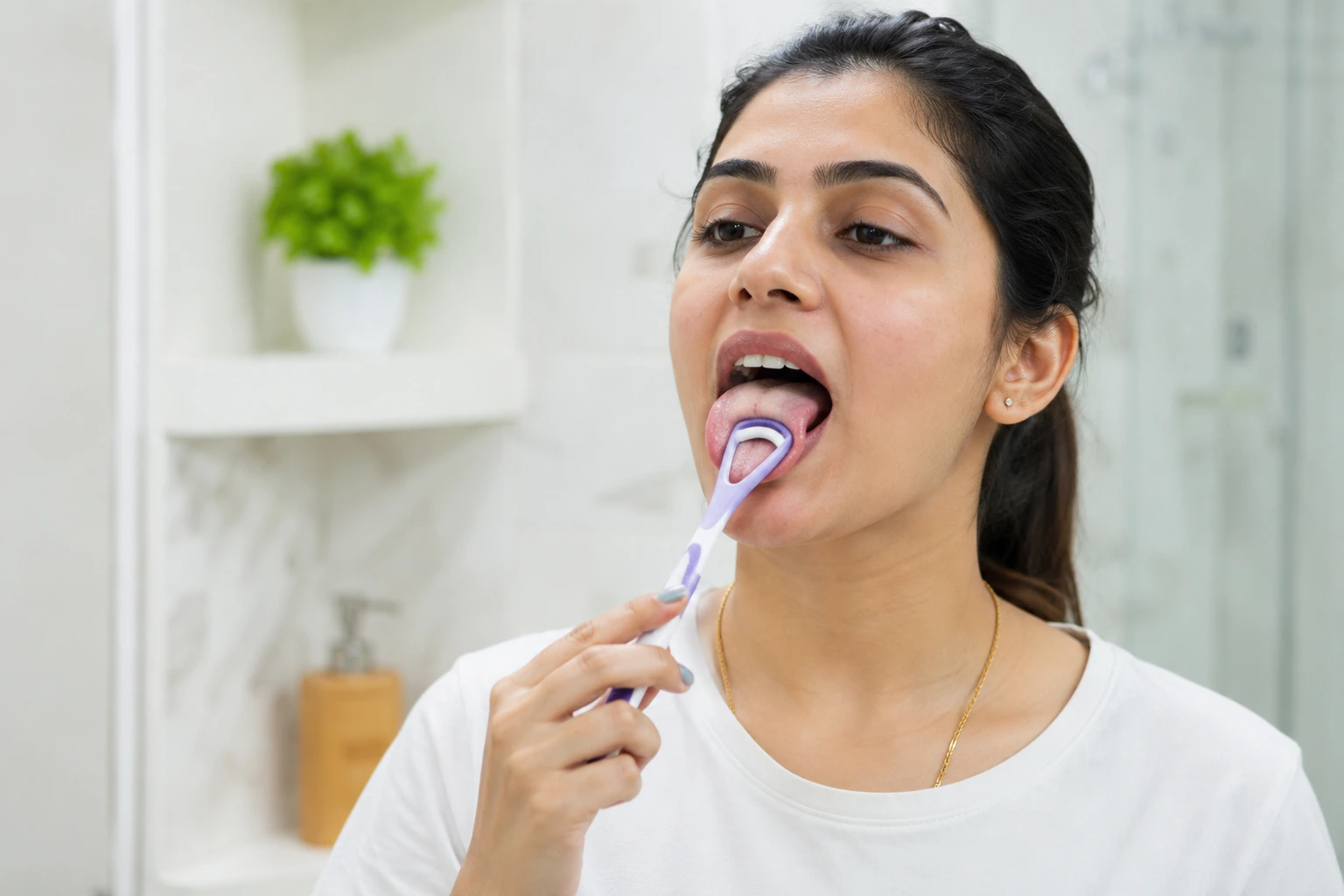
A tongue cleaner (also called a tongue scraper) is a simple tool — typically made of stainless steel or plastic — designed to gently scrape this biofilm off the tongue’s surface. You can also use your toothbrush, though a dedicated scraper is generally more effective.
The Science Behind Tongue Bacteria
Your tongue is covered in tiny bumps called papillae. Between these papillae, bacteria thrive in a moist, warm environment — making it one of the most bacteria-dense areas of your mouth. Studies have shown that over 700 species of bacteria can reside in the oral cavity, and a significant number of them colonise the tongue.
These bacteria break down proteins and release volatile sulfur compounds (VSCs) — the primary chemicals responsible for bad breath. No amount of brushing your teeth will fully eliminate bad breath if the root cause (tongue bacteria) is left untreated.
Why Tongue Cleaning Is as Important as Brushing
1. Eliminates the Primary Cause of Bad Breath
Up to 90% of bad breath (halitosis) originates from the bacteria on the tongue. Brushing your teeth removes plaque from tooth surfaces, but it does not adequately clean the tongue’s textured surface. Regular tongue scraping dramatically reduces VSC production and keeps your breath fresher throughout the day.
2. Reduces Harmful Bacteria in Your Mouth
The bacteria on your tongue do not stay on your tongue. Every time you swallow, speak, or eat, these bacteria migrate to your teeth, gums, and even your gut. Tongue cleaning reduces the overall bacterial load in your mouth, protecting your teeth from decay and your gums from inflammation.
3. Improves Taste Sensation
A thick coating on the tongue can block taste buds, dulling your ability to taste food properly. Regular tongue cleaning clears this coating, allowing your taste buds to function optimally. Many patients at
Kotadias Dental Care report a noticeable improvement in their sense of taste after adopting tongue cleaning as part of their daily routine.
4. Supports Gum Health and Prevents Periodontal Disease
Bacteria from the tongue frequently contribute to gum disease (periodontitis). When these bacteria accumulate along the gum line, they trigger inflammation, bleeding, and eventually bone loss around the teeth. By reducing the bacterial reservoir on your tongue, you lower the risk of gum disease significantly.
5. Promotes Better Digestion
Digestion begins in the mouth. Saliva contains enzymes that start breaking down food the moment it enters your mouth. A tongue coated in bacteria can interfere with this process. Tongue cleaning helps activate saliva production and supports the natural digestive process — a benefit that goes beyond oral health.
6. Enhances Your Immune Defence
The mouth is one of the body’s first lines of defence against pathogens. Reducing harmful bacteria in the oral cavity through regular tongue cleaning can help prevent bacteria from being ingested or aspirated into the respiratory tract — especially important for older adults and those with compromised immunity.
How to Clean Your Tongue Properly
Follow these simple steps recommended by the dental professionals at our clinic:
- Step 1: Choose Your Tool — A stainless steel tongue scraper is most effective. Soft-bristle toothbrushes can also work.
- Step 2: Start at the Back — Position the scraper as far back on your tongue as comfortable and gently pull it forward.
- Step 3: Rinse After Each Stroke — Rinse the scraper under running water after every pass to remove the collected debris.
- Step 4: Repeat 2–3 Times — Cover the full surface of the tongue with 2–3 gentle strokes.
- Step 5: Rinse Your Mouth — Finish with a thorough mouth rinse to wash away any remaining debris.
- Frequency — Twice daily — once in the morning and once before bed — is ideal.
Common Tongue Cleaning Mistakes to Avoid
- Scraping too hard — this can irritate or scratch the tongue’s surface
- Using a dirty or old scraper — replace or sanitise regularly
- Cleaning only the front of the tongue — bacteria concentrate at the back
- Skipping tongue cleaning when using mouthwash — mouthwash alone does not remove biofilm
- Using fingers instead of a proper tool — this is unhygienic and ineffective
Tongue Cleaning for Children
Children can benefit from tongue cleaning from an early age. At Kotadias Dental Care, Dr. Pratik Kotadia recommends introducing gentle tongue brushing as soon as a child is old enough to cooperate — typically around age 4–5. Establishing good habits early sets children up for a lifetime of excellent oral health.
When to See a Dentist About Tongue Issues
While regular tongue cleaning resolves most coating issues, some symptoms warrant professional attention. Visit a qualified dental professional if you notice:
- Persistent white or discoloured patches that do not clear with cleaning (could indicate oral thrush or leukoplakia)
- Painful sores or ulcers lasting more than 2 weeks
- Unusual lumps or swelling on the tongue
- Severe or persistent bad breath despite good oral hygiene
If you are looking for a Dentist In Bibwewadi who can assess tongue health as part of a comprehensive oral examination, our team at Kotadias Dental Care is ready to help.
Frequently Asked Questions (FAQs)
Q1. Is tongue cleaning necessary if I already brush twice a day?
Yes. Brushing cleans your teeth’s surfaces but cannot adequately remove the biofilm from the tongue’s textured surface. Tongue cleaning targets the bacteria that brushing misses.
Q2. Can I use my toothbrush instead of a tongue scraper?
You can, but a dedicated tongue scraper is more effective. Toothbrush bristles can move bacteria around rather than removing them entirely. If you prefer a toothbrush, use a soft-bristle one with gentle circular strokes.
Q3. Will tongue cleaning cure bad breath permanently?
Tongue cleaning significantly reduces bad breath caused by oral bacteria. However, persistent halitosis may have other causes (gum disease, cavities, dry mouth, systemic conditions) that require professional evaluation. If your bad breath persists, consult a dental professional.
Q4. How often should I replace my tongue scraper?
Stainless steel scrapers can last for years if cleaned properly after each use. Plastic scrapers should be replaced every 3–4 months, similar to a toothbrush.
Q5. Is tongue cleaning safe during pregnancy?
Yes, tongue cleaning is safe during pregnancy and is actually recommended, as pregnancy can increase the risk of gum disease. Use gentle pressure and avoid triggering the gag reflex.
Q6. Can tongue cleaning improve my gut health?
There is growing evidence that the oral microbiome influences the gut microbiome. By reducing harmful bacteria in the mouth through tongue cleaning, you may positively impact your digestive health as well.
About Kotadias Dental Care
Kotadias Dental Care is a trusted Best Dental Clinic in Bibwewadi, offering comprehensive dental care services including preventive dentistry, cosmetic treatments, orthodontics, and more. Founded by Dr. Pratik Kotadia, our practice is committed to delivering evidence-based, patient-centred care in a comfortable and welcoming environment.
Whether you are searching for a Dental Clinic in Bibwewadi for a routine check-up or seeking specialist treatment, our experienced team is here for you.