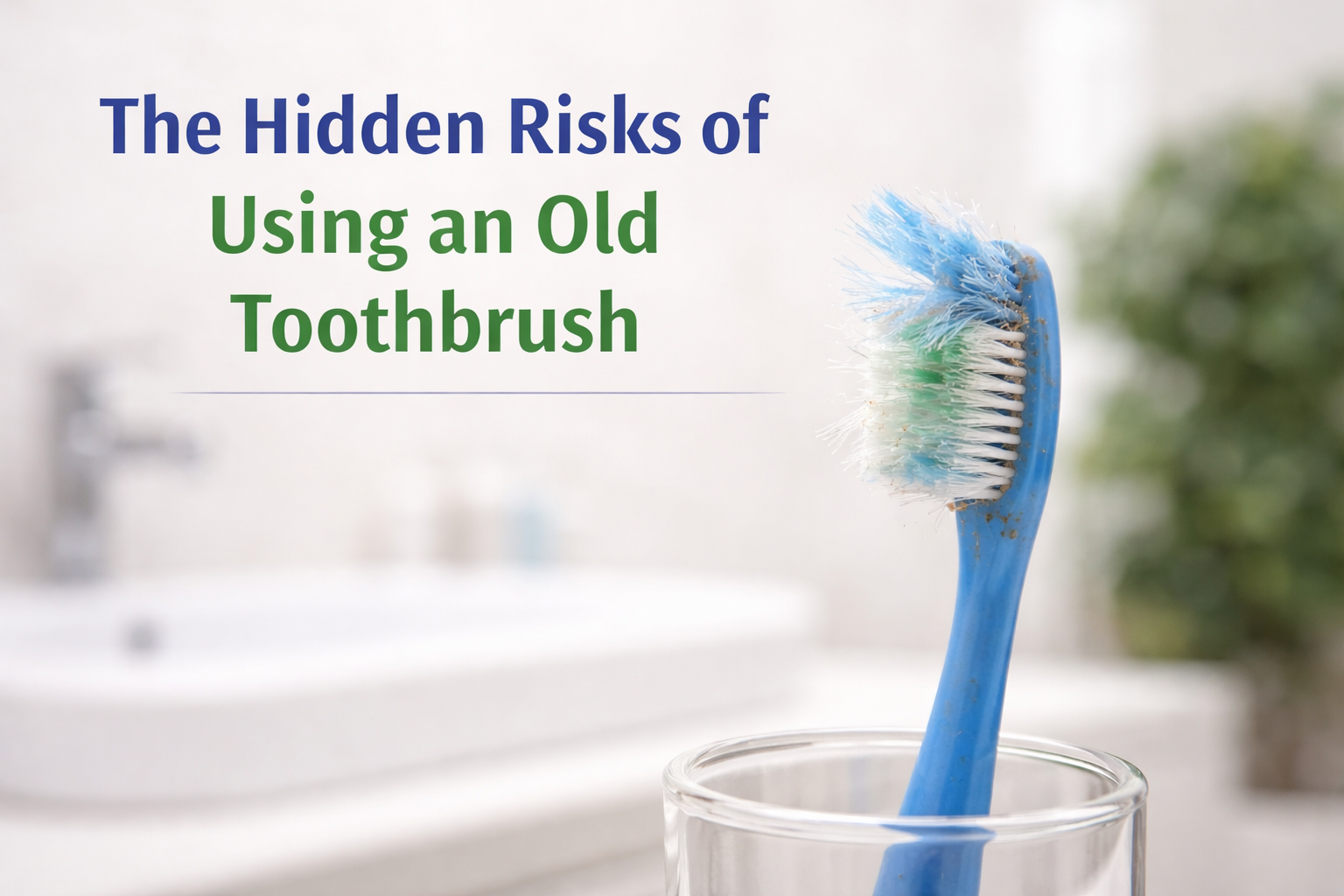
The Hidden Risks of Using an Old Toothbrush
Most people don’t think twice about how long they’ve been using the same toothbrush. It’s easy to overlook, but your toothbrush plays a critical role in maintaining your oral health. Using an old or worn-out toothbrush can quietly lead to serious dental issues, from ineffective cleaning to bacterial buildup.
If you’ve ever delayed replacing your toothbrush, this guide will help you understand the hidden risks—and why timely replacement is essential for a healthy smile.
At Kotadias Dental Care, under the expert guidance of Dr. Pratik Kotadia, patients are educated about simple habits that make a big difference in long-term oral health.
Search Intent Analysis
This topic targets users who are:
- Concerned about oral hygiene habits
- Searching for preventive dental care tips
- Experiencing gum issues or bad breath
- Looking for expert-backed advice
The intent is informational with a strong preventive and conversion angle, encouraging users to improve habits and consult a dentist if needed.
Why Your Toothbrush Matters More Than You Think
Your toothbrush is your first line of defense against plaque, bacteria, and gum disease. However, its effectiveness depends heavily on its condition.
A new toothbrush has firm, properly aligned bristles designed to clean tooth surfaces and reach between teeth. Over time, these bristles wear out, bend, and lose their cleaning ability.
How Long Should You Use a Toothbrush?
Dental experts recommend replacing your toothbrush every 3 to 4 months. However, you may need to replace it sooner if:
- Bristles appear frayed or flattened
- You’ve been sick (to avoid reinfection)
- You notice reduced cleaning effectiveness
Ignoring these signs can lead to hidden oral health risks.
The Hidden Risks of Using an Old Toothbrush
1. Ineffective Cleaning and Plaque Buildup
Old toothbrushes lose their ability to remove plaque effectively. Worn bristles cannot reach tight spaces between teeth, allowing plaque to accumulate.
This buildup can lead to:
- Cavities
- Tartar formation
- Gum inflammation
Over time, poor cleaning habits may require professional intervention from a Dentist In Bibwewadi.
2. Increased Bacterial Growth
Your toothbrush is exposed to moisture, food particles, and bacteria every day. As it ages, it becomes a breeding ground for harmful microorganisms.
Using an old toothbrush means you’re reintroducing bacteria into your mouth every time you brush.
3. Risk of Gum Damage
Frayed bristles can be harsh and uneven, causing irritation to your gums. This may result in:
- Gum bleeding
- Sensitivity
- Gum recession
Healthy gums are essential for strong teeth, and damaged gums can lead to more serious conditions if ignored.
4. Bad Breath (Halitosis)
Persistent bad breath is often linked to poor oral hygiene. An old toothbrush fails to remove bacteria effectively, allowing odor-causing microbes to thrive.
5. Higher Risk of Oral Infections
If you continue using the same toothbrush after being sick, it may still carry harmful bacteria or viruses. This increases the risk of reinfection and slows recovery.
6. Reduced Overall Oral Health
Over time, using an ineffective toothbrush can contribute to multiple dental problems, increasing the need for treatments such as fillings, gum therapy, or even root canals.
Patients often visit the Best Dentist In Bibwewadi after neglecting simple habits like replacing their toothbrush on time.
Signs It’s Time to Replace Your Toothbrush
Don’t wait for problems to appear. Watch for these signs:
- Bristles are bent or frayed
- Toothbrush feels rough on gums
- You’ve used it for more than 3 months
- You recently recovered from illness
Replacing your toothbrush at the right time is one of the easiest ways to maintain oral hygiene.
How to Choose the Right Toothbrush
Selecting the right toothbrush is just as important as replacing it regularly.
1. Soft Bristles Are Best
Soft bristles clean effectively without damaging enamel or gums.
2. Comfortable Grip and Size
Choose a brush that fits comfortably in your hand and reaches all areas of your mouth.
3. ADA-Approved or Dentist-Recommended
Always choose products recommended by dental professionals.
For personalized recommendations, visiting the Best dental clinic in Bibwewadi can help you choose the right tools for your oral care routine.
Toothbrush Hygiene Tips Most People Ignore
Even a new toothbrush can become harmful if not maintained properly.
Rinse Thoroughly After Use
Remove toothpaste and debris after brushing.
Store in an Upright Position
Allow it to air dry and avoid closed containers that trap moisture.
Avoid Sharing Toothbrushes
This prevents the spread of bacteria and infections.
Keep Away from Toilets
Store your toothbrush at a safe distance to avoid contamination.
When to Visit a Dentist
If you notice persistent oral issues despite regular brushing, it’s time to consult a professional.
Common warning signs include:
- Bleeding gums
- Tooth sensitivity
- Persistent bad breath
- Visible plaque buildup
Many patients begin their search with terms like Dental Clinic Near Me when symptoms worsen—but early consultation can prevent major treatments.
Why Preventive Dental Care Matters
Replacing your toothbrush is a small habit with a big impact. Preventive care helps you:
- Avoid costly treatments
- Maintain healthy gums
- Keep your teeth strong and clean
- Detect issues early
Patients looking for trusted professionals often search for the Best Dentists Near Me in Bibvewadi, Pune to ensure quality care and guidance.
Professional Dental Cleaning: When Brushing Isn’t Enough
Even with proper brushing, plaque can harden into tartar, which cannot be removed at home.
Professional cleaning:
- Removes stubborn tartar
- Prevents gum disease
- Improves oral hygiene
Clinics recognized as the Best Dental Hospital & Clinic In Pune emphasize preventive care to maintain long-term oral health.
The Cost of Ignoring a Simple Habit
Using an old toothbrush may seem harmless, but it can lead to:
- Frequent dental visits
- Expensive treatments
- Pain and discomfort
- Long-term oral damage
Replacing your toothbrush every few months is a small investment that saves you from bigger problems.
People Also Ask (FAQs)
Q1. How often should I replace my toothbrush?
Every 3 to 4 months, or sooner if the bristles are worn out.
Q2. Can an old toothbrush cause gum disease?
Yes, ineffective cleaning can lead to plaque buildup and gum infections.
Q3. Is it okay to use a toothbrush after being sick?
No, it’s recommended to replace it to avoid reinfection.
Q4. Do electric toothbrushes also need replacement?
Yes, the brush heads should be replaced every 3 months.
Q5. What happens if I don’t replace my toothbrush?
You risk poor cleaning, bacterial buildup, bad breath, and dental issues.
Your toothbrush might seem like a small part of your routine—but it has a huge impact on your oral health. Don’t let simple habits lead to serious dental problems.
If you’re experiencing gum issues, bad breath, or tooth sensitivity, it’s time for a professional checkup.
Phone Number:- 8329481897